- On-Page SEO services
On-Page SEO for
Better Rankings
Content should answer real questions, satisfy search intent, impress Google, and convert visitors into customers. We refine every important on-page element on your site to improve rankings and turn passive pages into consistent performers.

- Keyword Optimization
- Content Refresh
- Strategic Internal Linking
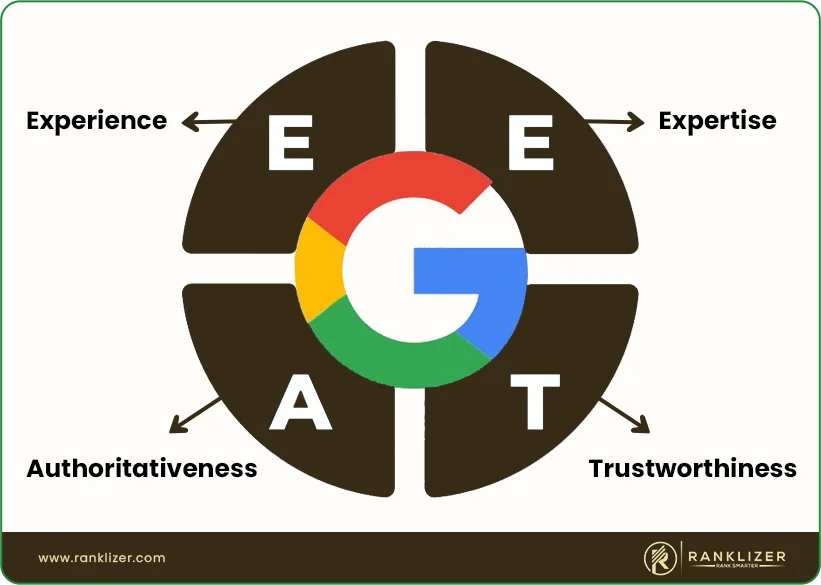
- E-E-A-T Optimization
Why Your Content Isn't Ranking?
If search intent, on‑page SEO, and topic relevance don’t line up, content may fail to rank. We’ll improve the layout and relevance, and fill the Optimization gaps that hinder visibility, enabling your content to attract organic visitors and foster lasting organic growth.
- TOPICAL AUTHORITY
We Focused on Topical Authority
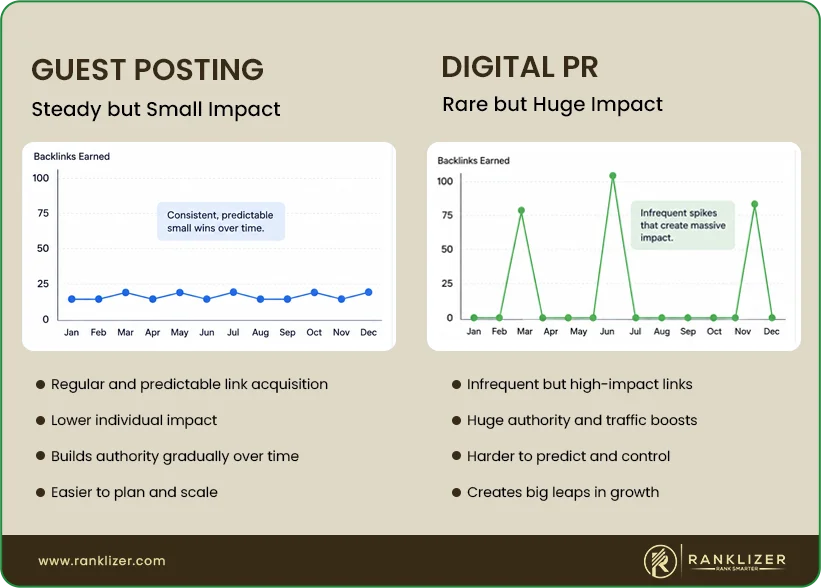
Any brand can optimize a single webpage for a single keyword. The websites that dominate search results combine a strong grip on topical authority and entities.
We build interlinked content ecosystems that showcase expertise across your niche, help Google understand your subject coverage, and strengthen rankings across multiple related queries.
What We Build
- Topic clusters and pillar pages
- Full-funnel search intent coverage
- Strategic internal linking frameworks
- Content gap and opportunity analysis
- Semantic keyword and entity Optimization
- E-E-A-T signals that build trust
- On-page seo Framework
Six Layers Of Content Optimization
Search Intent
The questions, problems, and goals I validate before writing or rewriting anything.
Keyword Mapping
Focused primary and supporting keywords mapped to the right pages without overlap.
Content Structure
Clear headings and sections that make content easy for readers and search engines.
Internal Links
Relevant links that guide users, distribute authority, and strengthen topical depth.
User Experience
Fast, useful, engaging pages that keep visitors on-site and encourage next steps.
Higher Rankings
A stronger foundation for better visibility, impressions, and organic growth.
- How We Optimize Your Website
How We Handle Your On-Page SEO
Our seo specialist follows a structured and research-led process. We create pages that match intent, demonstrate expertise, and give search engines signals to rank your content above competitors.

- Competitors Analysis
- Keyword Gaps
- Content Layout
- Meta Data Optimization
- Internal Linking
- Review
- Packages & Pricing
Guest Post Plans Built for Real Growth
Choose a plan based on your link goals, niche competition, and monthly campaign size. Each package includes content, outreach, placement, and reporting.
STARTER
Best for testing and smaller websites
/per month · 5 guest posts · no contract
Links delivered in 2–4 weeks
GROWTH
For brands ready to build stronger authority
/per month · 15 guest posts · no contract
Links delivered in 2–4 weeks
AUTHORITY
For competitive niches and larger campaigns
/per month · 30+ guest posts · no contract
Links delivered in 2–4 weeks
Need more than 30 links a month? Or a white label system for your team?
We support agencies, SEO teams, and brands that need larger monthly services with clean reports and flexible delivery.
All prices exclude VAT where applicable. Need a specific DR target or volume? Get a custom quote →
- FAQS
Frequently Asked Questions
How long does on-page SEO take to work?
The majority of Optimized pages begin to show measurable visibility, ranking, and traffic movement within 4-8 weeks, depending on the site authority, competition, and how frequently search engines crawl your page content. It usually takes around 2-3 months for larger restructures and topic clusters to mature and stabilize.
Is on-page SEO alone enough to grow organic traffic?
On-page optimization is the foundation that makes your content useful, relevant, and easy to understand. It should be used in conjunction with solid technical SEO (speed, crawlability, indexation) as well as off-page authority. Your content will rank if you do the right things on-page. The rest of your SEO should help it be discovered and trusted.
Do you guarantee rankings for your on-page SEO services?
A genuine SEO provider cannot guarantee specific rankings. Markets, algorithms, and competitors change. What I guarantee is a systematic process: accurate keyword mapping, solid content structures, on-page optimization, and internal links that give your pages the highest chance of outperforming similar content.
What's the difference between on-page SEO and off-page SEO services?
On-page optimization includes everything that you can control directly on your site: headings, keywords, metadata, internal linking, URLs, and content structure. Off-page SEO focuses on signals outside of your website, like backlinks, digital PR, citations, and brand authority. On-page optimization is the most important, but both are equally important.
Is it better to Optimize old content or publish new pages?
In most cases, improving the content of existing pages will yield faster results. Pages that have some history, impressions, and backlinks will often respond quickly to better structure and refreshed information. Although I still prioritize high-potential URLs, new content is important.
Do Optimized pages need regular updates?
Yes. Information, search behaviour, and competitors change with time. I recommend regular reviews, particularly for content that relies on current data, tools, or pricing, as well as competitive topics, landing pages, and core content.
How do you decide which pages need on-page SEO first?
I start with a performance and content audit. Priority is usually given to pages ranking in the top 5-20 positions, URLs that are experiencing a decline in traffic, pages with high intent but no conversion, and important topics on which your competitors outrank you.
Can on-page SEO help a page stuck on page two or three?
Often, yes. Search engines will already consider a page relevant if it is on the second or third page. Often, the changes needed to move these pages up are a tighter keyword focus, an improved structure, more content, and stronger internal links.
Should I worry about keyword stuffing with modern on-page SEO?
The use of forced keyword repetition can be detrimental to readability and engagement. Modern on-page optimization is all about matching intent and covering relevant subtopics. It also involves using natural language and weaving in related words in a way that feels human and helpful.
Do you work with startups as well as established brands?
Yes. I help early-stage startups build their first SEO foundation, grow companies that want to scale up organic acquisition, and established brands that are looking to modernise old content and defend their search presence.
- Blogs
Our Blogs
Most websites never show up in Google search results in any meaningful way. Zero clicks.
Most link-building playbooks are authored for English-speaking markets and then somewhat modified for all other