- Content Structuring For LLMs
Content Structure That Google and AI Rank
Modern searchers look for clear answers, trusted information, and strong page structure. We create content that helps your site perform across Google, AI Overviews, and LLM-based platforms
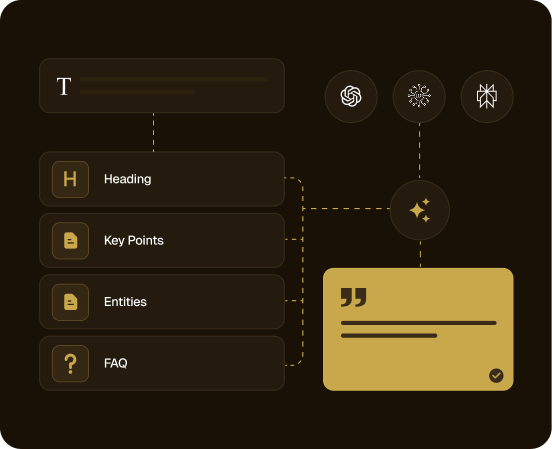
- AI-Friendly Content
- Semantic Content
- Retrieval Optimization
- Better AI Understanding
What is AI Content Structuring?
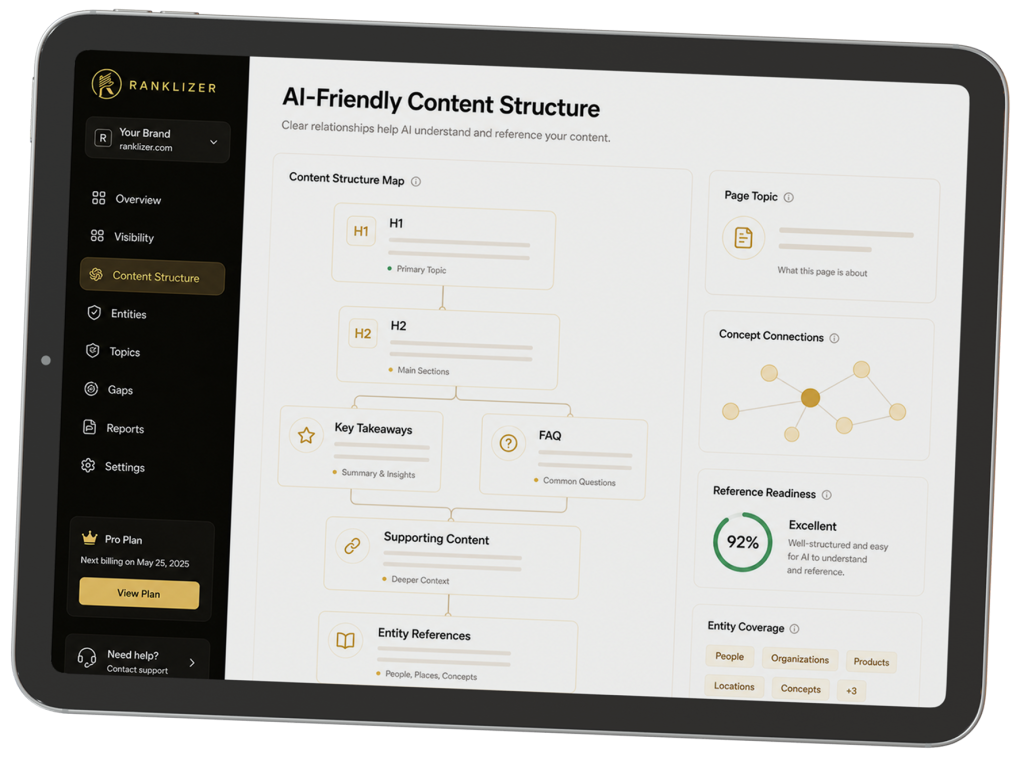
AI Content Structuring organizes your website’s content in a way that makes it easier for AI search engines and large language models (LLMs) to understand, interpret, and reference. This improves your chances of being cited in AI-generated answers while enhancing clarity for both users and traditional search engines.
- AI READABILITY
Why Structure Matters
AI doesn’t read content the same way humans do. Poorly organized pages make it harder for models to understand context, relationships, and key information.
AI comprehension
Well-structured content is easier for AI to parse, interpret, and trust.
Information retrieval
Structured pages help AI find the right information faster and more accurately.
Citation opportunities
Clear sections and sources increase the chances of being cited by AI models.
User experience
A clear structure helps humans scan, understand, and engage with your content.
Topical clarity
Strong topical focus and flow reinforce relevance and improve AI understand.
- COMMON ISSUES
Common Content Problems We Fix
Most content fails not because of weak research but because of poor structure.
- Confusing layout that hides the main point
- Weak connection between ideas
- Missing supporting information
- Long paragraphs that are hard to scan
- Content that does not match search intent
- Limited topic coverage

- STRUCTURING FRAMEWORK
How We Structure Content Differently From Other Agencies
Content Audit
Review existing content to find gaps and
weak areas.
Topic Mapping
Plan related topics and supporting points to build full coverage.
Semantic Layering
Add related ideas to improve depth and meaning.
Information Hierarchy
Arrange content in a logical order for easier reading.
Entity Integration
Include relevant context to strengthen clarity and relevance.
LLM Optimisation
Structure content so it works well across modern search systems.
- CONTENT RETRIEVAL
Help Buyers Find the Right Page Faster
Our content is planned with search intent, clean structure, and clear messaging, so your website becomes easier to understand for both users and search engines.
Structured Answer
Built around what visitors are actually searching for.
Real wording describing what's actually offered.
Short, direct answers that stay right on point.
Easier for search engines and AI to read.
- AI-FRIENDLY CONTENT
Content That Matches Real Customer Questions
People do not always search with simple keywords. Sometimes they ask full questions, compare services, or look for quick answers before selecting a business. We write content that completely satisfies the audience’s queries.
- Questions your customers ask before buying
- Service details written in simple language
- Page sections that support clear decisions
- Natural keyword use without stuffing
- MODERN SEARCH
Businesses We Help
Built for industries where search visibility directly affects revenue.
- FAQ
Frequently Asked Questions
How is this different from regular SEO content writing?
Regular SEO is about primary and secondary keywords and hitting a word count. Content marketing goes a layer deeper. The way a page is built, the way topics connect, the way your business comes across across the whole site. Content structuring for LLMs takes it further still, structuring everything you publish so search systems can crawl it, understand it, and point people toward it when a relevant question gets asked.
Will this improve my Google rankings too?
Yes. When a page is well-written, properly researched, answers questions directly, links to related content, and has clean schema in place, Google understands it faster and ranks it sooner. That same structure also gets you picked up by AI-driven search. Two problems, one fix, less time waiting for results.
What is content structure and why does it matter for LLMs?
Content structure is how a page is organised and it determines whether AI systems cite you or skip you entirely. LLMs do not read a page the way a person does. They break it into chunks and pull whatever answers the query the cleanest. Every section needs to be simple and get to the point in the first line. Pages that bury the answer or jump between ideas rarely make it into an AI generated response regardless of how well they are written.
What content do you actually produce?
Everything. Page copy, blog articles, topic clusters, FAQ sections, landing pages, resource pages, social media content, video scripts, and email sequences. Whatever the format, the same structural thinking goes into all of it, researched, organised, and built for both users and search systems.
Does content structure affect conversion rates too?
Yes. Pages that get to the point faster, answer objections clearly, and guide a reader through a logical flow convert better than pages that make someone work for the information. Structure that works for search also tends to work for the reader sitting on the page.
How do I know if AI systems are citing my content?
Type your target queries directly into ChatGPT, Perplexity, and Google. See whether your brand or pages come up in the responses. If they do not, the content is either not structured well enough to be pulled or not authoritative enough to be trusted as a source. Both are fixable once you know which one is the problem.
- PAST PLACEMENTS
Real Work. Real Authority.
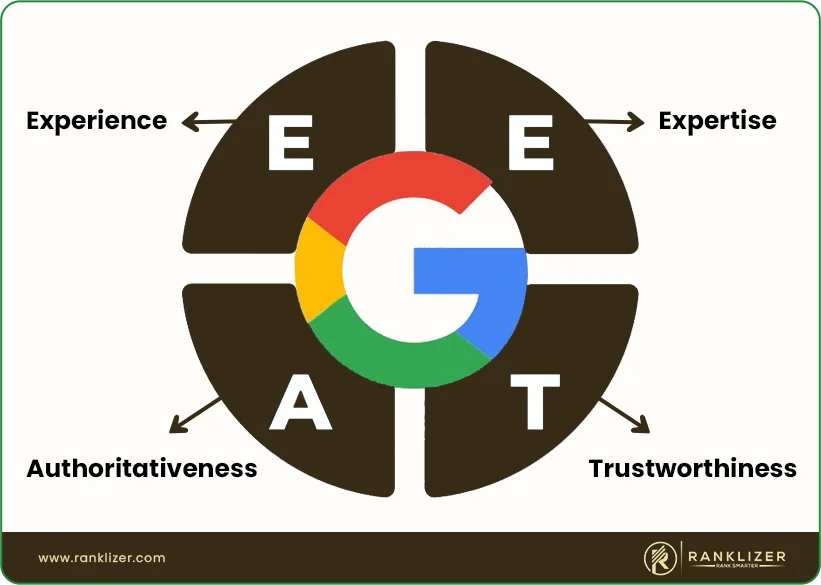
Most websites never show up in Google search results in any meaningful way. Zero clicks.
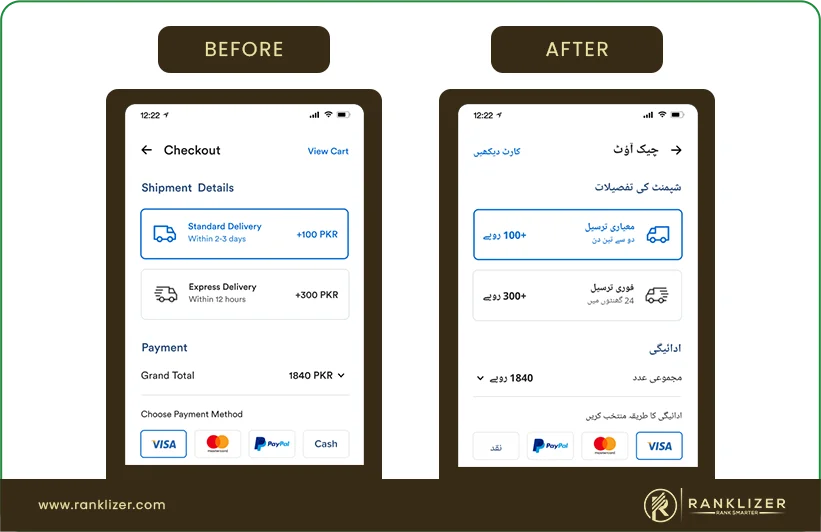
Most link-building playbooks are authored for English-speaking markets and then somewhat modified for all other