

- Most sites fail because Google can’t tell what the content is for or who it’s for, not because content is inherently bad
- E-E-A-T (Experience, Expertise, Authoritativeness, Trustworthiness) is how Google and AI decide which sites to trust, built via author bios, updated content, HTTPS, and linked sources
- Even unlinked brand mentions (forums, podcasts, newsletters) help AI tools like ChatGPT recognize and cite your brand
- Best starting point: don’t try all 12 at once. Find a page ranked 11 to 20 in Search Console, improve it, and check back in three weeks. Consistency beats volume
Most websites never show up in Google search results in any meaningful way. Zero clicks. Zero visits. Nothing. This isn’t just something people say online either. Studies looking at content across the web confirm it. So if you’ve been trying to get your site noticed on Google and nothing seems to be working, chances are the problem isn’t your writing. Google simply can’t tell what your content is about, who it’s for, or why it deserves a spot on the first page. The good part is that this can be fixed, and that’s exactly what this guide walks you through.
Why It’s Harder Than Ever to Improve Google Rankings
Google’s very first page used to have 10 links. It’s now AI Overviews, featured snippets boxes for People Also Ask boxes, and shopping carts in all of this before the first blog post is published.
According to the Semrush and SparkToro zero-click studies, 58.5% of all US Google searches now end without any clicks. Users can get the answer on the results page and then leave.
This changes what improving SEO on Google really means in 2026. The goal of SEO isn’t simply “rank on page one.” It’s about bringing your content into the information Google provides.
These 12 steps will help you to rank higher.
1: Start With the Right Keywords
If you’re interested in knowing how you can improve your Google ranking, don’t just open an empty doc and begin writing. Open Google first.
Use your search term to find your desired keyword, then review the top 10 results. If they’re mostly listicles or lists, then write the listicle. If they’re guides on how-tos, make a written guide. Google already shows the way to go and what doesn’t.
Quick tip: Keywords with a long tail (3-plus words) receive 1.5x higher clicks than broad-based keywords, and are subject to less competition. Begin with them before moving on to large, broad keywords.
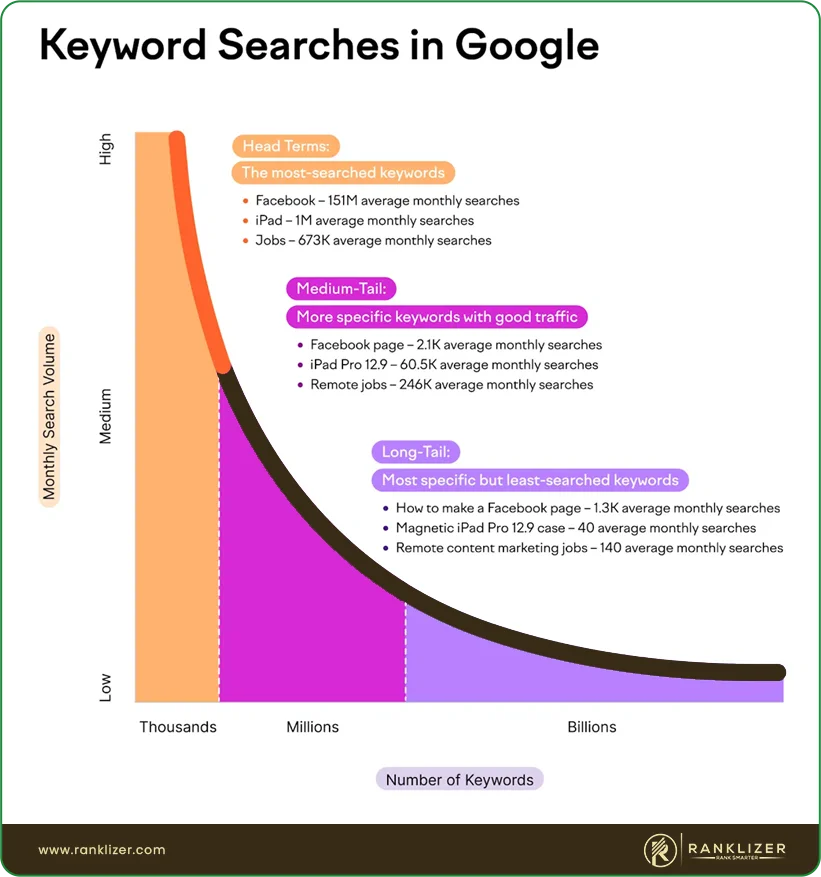
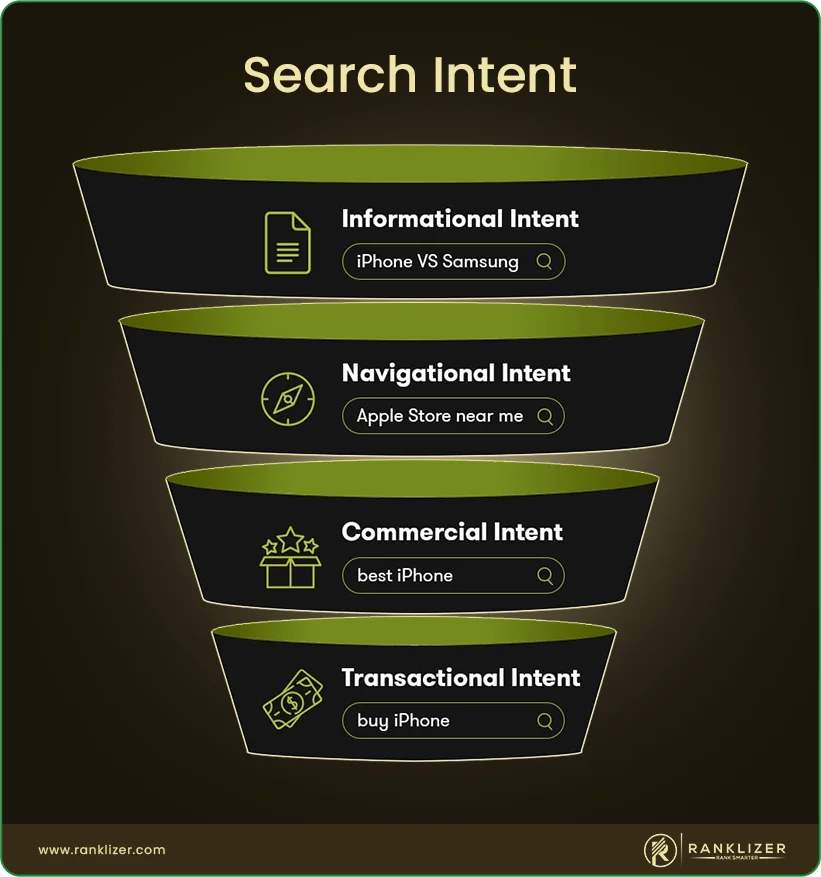
2: Match What Searchers Actually Want
The right keywords will lead you through the door. The right format will get you inside.
Take a look at your top 3 search results that match the keyword you are searching for. Are they quick answers or more in-depth guides? Videos or tables? Make sure you match the format and improve your own to be more effective, as well as more specific and more current.
Every paragraph of your piece must answer a single, clear query on its own. Google integrates each paragraph to provide AI answers. Inconsistent sections are ignored. Clear sections are highlighted. This is among the best ways to increase Google rank without having to get more backlinks.
3: Fix Your On-Page SEO
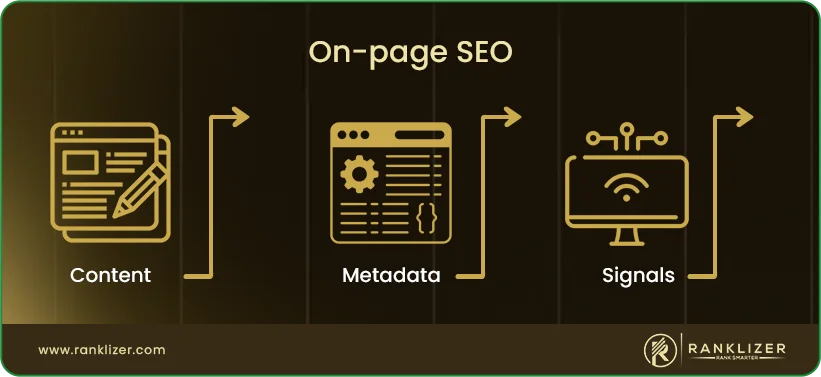
Title tags are among Google’s most important signals. Place your keyword near the top and provide users with an actual incentive to visit.
“12 Proven Ways to Rank Higher on Google in 2026” beats “SEO Tips” every time.
Other factors that can affect rankings:
- Make use of a keyword within your title, in the first paragraph, one heading, and the closing section.
- Clean URLs — /how-to-rank-higher-on-google not /page?id=4821
- Meta description that reflects what the searcher is looking for.
- Subheadings that describe the content beneath them
The correct structure is essential to improve the Google SEO rank — and it’s nothing to correct.
4: Get Backlinks That Actually Count
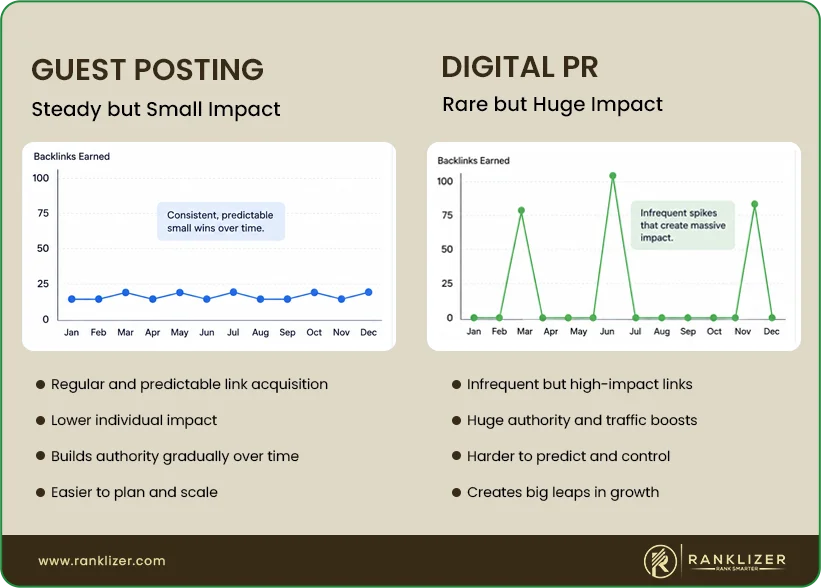
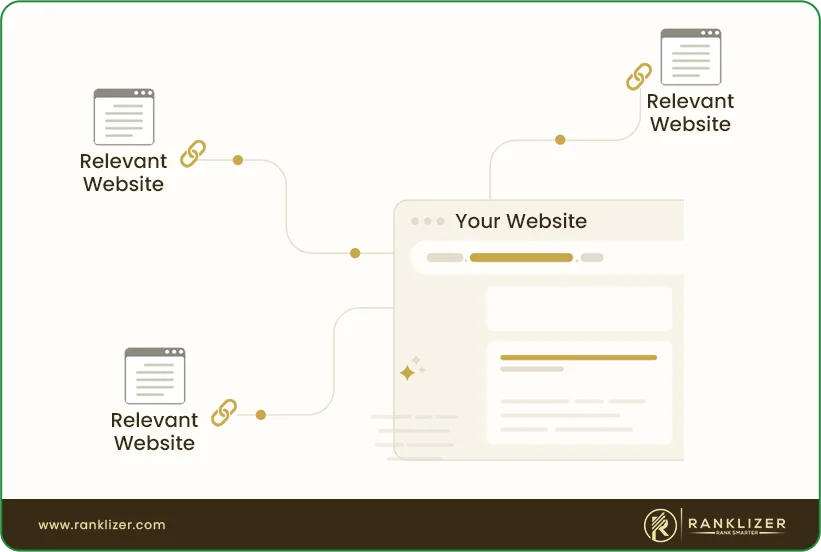
A trusted, relevant website in your area of expertise will be more valuable than 50 other links from directories with no relevance. Secure monthly goal: Divide the value of your Domain Authority by 10 and add the age of your site in months, then divide by three. A DA 40 website that’s been online for two years should strive for approximately 12 new backlinks each month. In the event of sudden spikes, it could cause spam filters to be activated.
Links are the best way to earn today:
- Guest posts on genuine websites that have real standards for editorial. Our guest post service manages the outreach and placement.
- Original research or data that journalists would like to refer to
- Being listed on the industry pages of resource information
Anchor text for anchors:
- 70% of brands are
- 20% topic-relevant
- Maximum 10% exact-match keywords
Want done-for-you placements? Our link-building solutions focus solely on editorial links of white-hat quality: no shortcuts, and no spam.
5: Speed Up Your Site
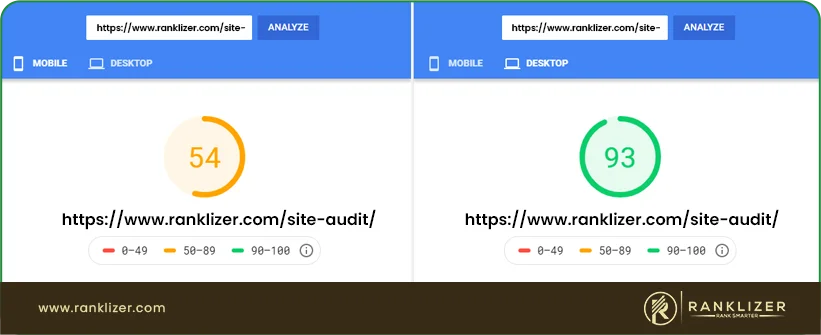
Slow websites are penalized for ranking. Each second of loading time reduces conversions by 7 percent and increases bounce rates by 32 percent. Page speed is among the fastest methods to improve Google search results without having to alter one word of your website’s content.
Conduct Google PageSpeed Insights on your website monthly. It’s free and only takes 2 minutes. Four easy fixes that can help the most:
- Convert images into WebP format (cuts loading speed by 35 percent)
- Unused JavaScript should be removed.
- Make sure that your browser cache is turned on.
- Use a CDN
For the vast majority of WordPress websites, the entire process can be accomplished using a caching plugin – without code.
6: Make It Work on Mobile
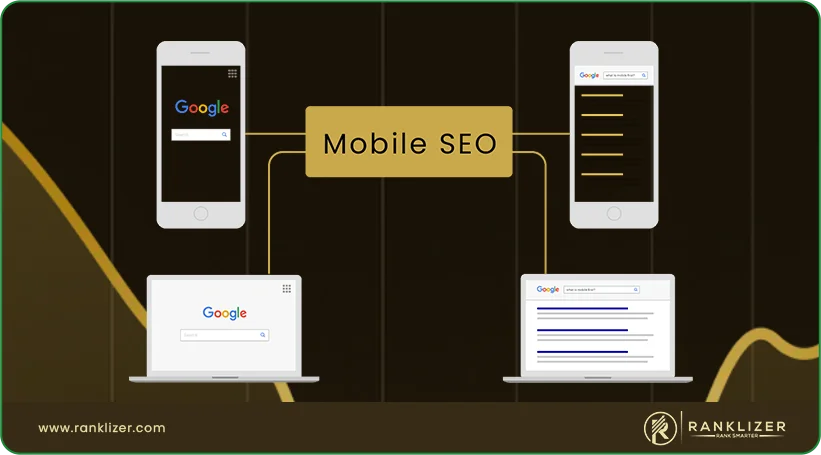
63 percent of Google searches occur on mobile devices. Google places your phone’s website but not the desktop version. If your mobile device is not functioning properly, then your desktop rankings will suffer. It means that fixing the issue is the best method to boost search rankings all over the world.
Take Google’s Mobile-Friendly test for free on your top five websites. The most common issues that affect rankings on mobile devices:
- Text that is less than 16px
- Buttons too small for tapping precisely
- Content larger than the screen
- Page loading takes more than three seconds (causes 32 percent more bounces)
It takes less than one hour per fix. Many bloggers don’t even touch them.
7: Link Your Own Posts Together
Internal links transfer authority from your high-quality pages to weaker ones. Many bloggers don’t realize this, and it’s actually one of the most efficient methods to boost Google rankings without constructing any new backlinks.
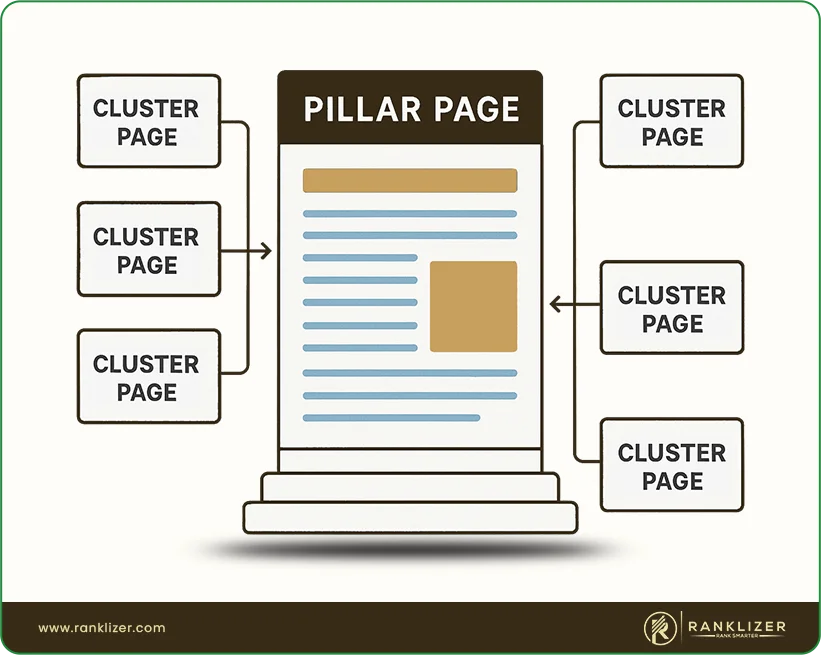
The most effective setup is this: one primary “pillar” post links to related posts that are 8-12 in number, and the posts hyperlink directly to the pillar post. Google understands the entire web and can tell that you are an expert on your subject.
Some guidelines:
- Make use of descriptive anchor texts (“see our research guide on keywords,” not “click here”)
- Link from your best pages to those you wish to be able to
- Find orphan pages posts with no internal links are, in effect, invisible to Google.
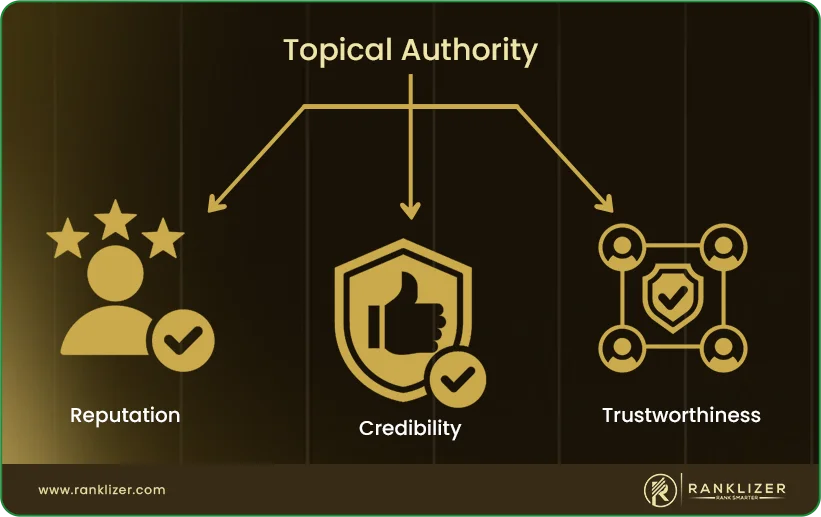
The combination of solid internal linking and an ongoing guest post strategy is among the most effective ways to increase the authority of your topic.
8: Update Old Posts Before Writing New Ones
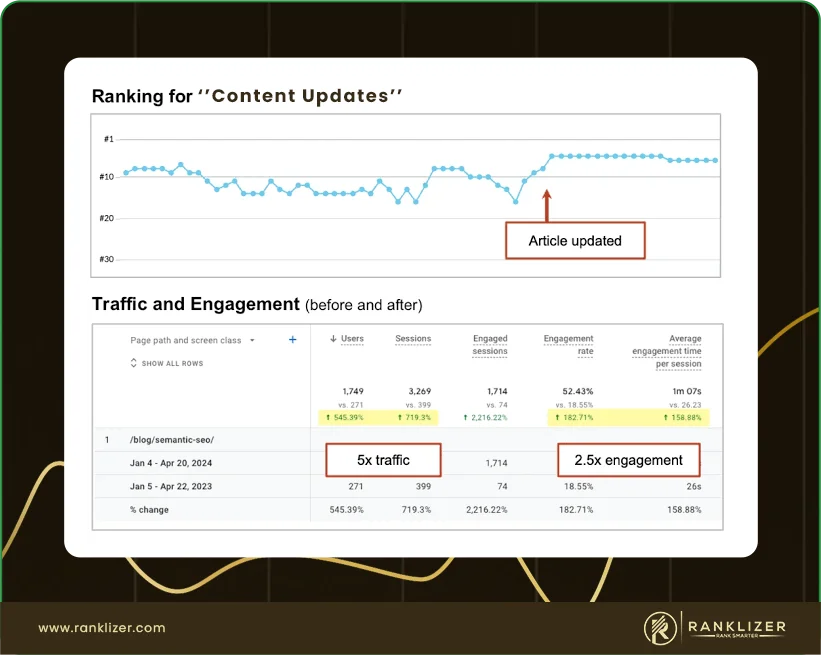
Many bloggers don’t understand this, and it’s among the most under-appreciated methods of getting a higher rank on Google without having to start with a blank slate.
Editing an existing blog post is quicker, less expensive, and usually more effective than launching a new post. Its content “decays” when competitors publish newer versions- and many site owners don’t realize until traffic has already decreased.
Open Google Search Console. Find the posts that rank between 11 and 20. These are the best posts to target that are already vetted by Google and just require an additional push. Each one of them:
- Change out outdated statistics for new ones.
- Include a section that covers what the original misses.
- Rewrite the title to make it more precise.
- Include 3 internal links from more powerful pages.
Ahrefs data suggests that content that is updated receives 106 percent higher organic visitors than old content. This isn’t a minor distinction.
9: Write to Get Featured in AI Answers
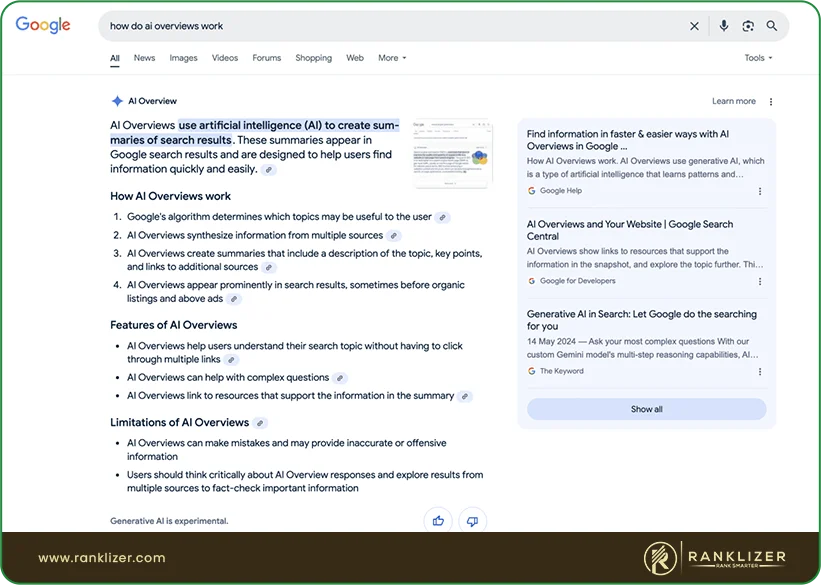
Highlighted snippets of content receive an average of 42% click. Standard results get 26%. The moment you are enticed into an AI Overview gives you visibility even if you’re not in the top three, and it’s among the easiest ways to get the top spot in Google results pages without occupying the top spot in organic search results.
How do you get these spots:
- Answer the question within the first two sentences of each section.
- Answers should be between 40 and 60 words.
- Utilize tables, lists with numbers, and clearly defined definitions.
- Create subheadings using questions like “What is X?” as well as “How do you X?”
- Include an FAQ Schema on your webpages.
10: Go Deep on One Topic
A blog that is focused on 50 articles on email marketing is higher than a blog with just one email post or 49 posts. Google favors depth, and that’s exactly the way to improve SEO on Google by establishing authority on a topic.
The effective structure:
- One pillar blog that covers the topic in general
- 8-12 cluster posts, all taking you deep into a particular subtopic
- Each cluster links to a pillar, and then the pillar links back to every cluster.
It is important to cover the majority of a subject before moving on to a new topic. The link-building services we offer are built to follow this pattern, creating an authority in one field at a given time, regularly.
11: Include Related Terms and Concepts
Don’t just repeat your main keyword. Incorporate the entire world of your subject.
Are you writing about marketing via email? Include:
- rates of conversion
- A/B testing
- list segmentation
- Automation
- Tools like Mailchimp
These terms are related to assist Google in determining the content you post is actually about and help AI systems determine when it is appropriate to show it.
Make sure you cover the subtopics that your competitors don’t cover. These gaps are precisely where the featured snippets are, and also where Google’s improvement in search rankings happens slowly.
12: Write for the Reader, Not the Algorithm
Pages that truly help people beat pages designed to cheat Google. This has been the case for a long time, but it’s even more relevant in 2026 than at any time before.
Google determines if people immediately return to the search results once they’ve landed on your site. Rapid bounces inform Google that your content doesn’t solve the problem. The keyword doesn’t fix that.
If you’re serious about finding a way to get your site on Google in the long run, the answer isn’t an improved tool; it’s more creative thinking, actual firsthand experiences, and content only you can create.
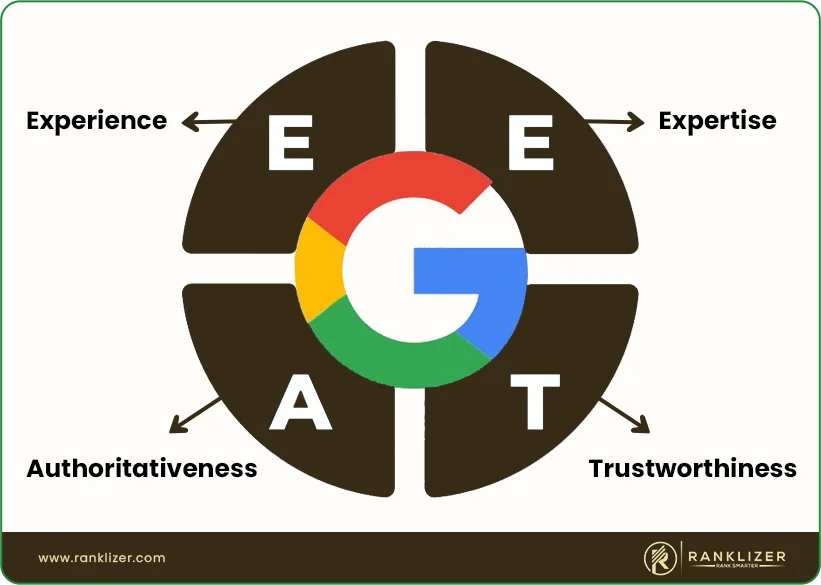
E-E-A-T: Why Google Trusts Some Sites More Than Others
E-E-A-T is a reference to Experience, Expertise, Authoritativeness, and Trustworthiness. It’s the way Google determines if your website is worthy of ranking in the first place, and also the way that AI algorithms decide what sources to use.
Six factors that help build it speedily:
- Author bios with authentic credentials on each post
- About page explaining your background
- Sources that are linked to live URLs
- Content is updated at least every year.
- HTTPS is enabled
- Contact details are found on the website
Don’t Ignore Unlinked Mentions
AI Overviews and other tools such as ChatGPT draw information from newsletters, forums,s and podcasts, as well as social posts, regardless of whether there’s an option to click backlinks. If your company’s name or content is mentioned in the right locations, it increases your credibility without the need for a link.
How can you get more mentions:
- Publicise original statistics that people would like to use
- Make a framework or procedure.
- Make a pitch to niche journalists and newsletter writers
- Participate in industry discussions with real-time insight.
Where to Start (Right Now)
Do not attempt to perform all 12 moves simultaneously. Choose one.
Open Google Search Console. Find a page in positions 11-20. Make the post more accurate and tighten the title, and then add two internal links to stronger pages. In three weeks, check back.
Consistency wins over volume every time. Two steady, updated posts every month, and a few genuine backlinks will beat twenty new and rushed posts every time.